Educational content on evening routines and lifestyle planning. Not medical or health services. London, United Kingdom.
Educational Guide

Evidence-Informed Wind-Down Practices

Discover activities and techniques many find supportive for evening transition. Individual results vary—personalisation is key.

Categories of Evening Practices

Breathing & Relaxation Techniques

Intentional breathing activates the parasympathetic nervous system, signalling calm. Here are commonly explored techniques:

  • Box Breathing: Breathe in for 4 counts, hold 4, exhale 4, hold 4. Repeat 5–10 times. Many find this rhythmic pattern settling.
  • 4-7-8 Breathing: Inhale for 4, hold for 7, exhale for 8. The extended exhale emphasises relaxation. Try 4 rounds before bed.
  • Alternate Nostril Breathing: Close one nostril, breathe through the other, switch. This traditional practice is reported to balance the nervous system.
  • Progressive Muscle Relaxation: Tense and release muscle groups from toes to head. Helps release physical tension and brings awareness to the body.

Disclaimer: These are educational descriptions of common practices. Individual responses vary. If breathing becomes uncomfortable, stop and consult a healthcare provider.

Gentle Movement & Stretching

Light, low-intensity movement can ease physical tension without over-stimulating:

  • Gentle Yoga: Restorative or yin yoga sequences emphasise stillness and passive stretching, ideal for evening transition.
  • Stretching Routine: 10–15 minutes of full-body stretching, focusing on areas you hold tension (neck, shoulders, lower back).
  • Slow Walking: A short, calm walk indoors or outdoors, unrushed. Many find this meditative and settling.
  • Tai Chi: This flowing martial art tradition is structured for relaxation and mindfulness, practised in slow, deliberate movements.

Important: If you have mobility concerns or injuries, consult a physiotherapist. Movement should feel gentle, never forced.

Mindfulness & Meditation

Intentional mental practices can quiet the mind and prepare it for sleep:

  • Body Scan Meditation: Lie still and mentally notice each body part from head to toe, releasing tension. 10–20 minutes.
  • Guided Meditation: Audio recordings lead you through visualisation or mindfulness. Apps like Insight Timer or YouTube offer free options.
  • Mindful Observation: Focus fully on one object—a candle flame, a plant—for 5–10 minutes without distraction.
  • Loving-Kindness Practice: Direct compassionate thoughts toward yourself and others. Many find this emotionally settling before sleep.

Note: Meditation is not a replacement for mental health treatment. If you experience intrusive thoughts or anxiety, seek professional support.

Creative & Reflective Activities

Low-key creative or reflective practices encourage mental wind-down:

  • Journaling: Freewriting about your day, thoughts, or tomorrow's intentions. No pressure for perfection—stream of consciousness is the goal.
  • Reading: Light, engaging fiction or non-fiction. Avoid stimulating content; aim for story or knowledge that soothes rather than excites.
  • Drawing or Colouring: Adult colouring books or simple sketching engages the creative mind in a calm, low-pressure way.
  • Gratitude Reflection: Write or mentally list 3–5 things you appreciated today. This shifts mindset toward positive closure.

Key principle: Choose activities you genuinely enjoy and find calming—obligation defeats the purpose.

Environmental Factors

Creating a Sleep-Supportive Space

Your physical environment influences readiness for sleep. Consider these modifiable elements:

  • Lighting: Dim overhead lights 1–2 hours before bed. Use warm-toned bulbs (2700K or lower). Avoid bright blue light from screens.
  • Temperature: Most people sleep better in slightly cool rooms (16–19°C). Experiment to find your comfort zone.
  • Sound: Silence or gentle, consistent sound (white noise, rain) often works well. Avoid jarring notifications or alerts.
  • Bedroom Purpose: Reserve your bedroom primarily for sleep and relaxation. Work or stimulating activities elsewhere reinforce the association.
  • Comfort: Quality bedding, a supportive mattress, and adequate pillows matter. These are worthwhile investments.

Small adjustments to your environment can meaningfully support your evening routine.
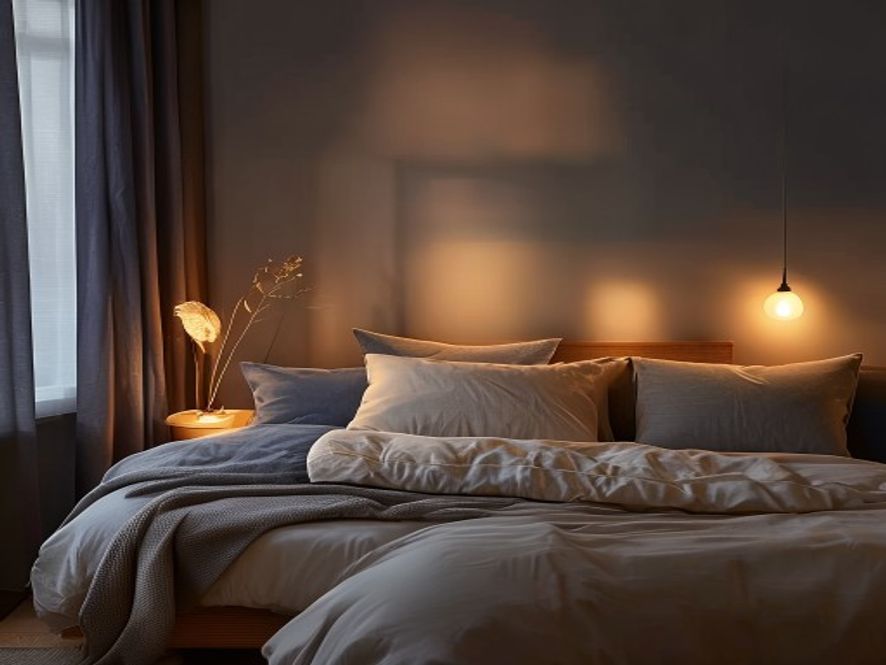
Calm bedroom at dusk with soft warm lighting, neatly arranged pillows, and minimalist décor

Sample Evening Frameworks

These are illustrative templates. Your personalised routine will differ based on your schedule, preferences, and environment. Use these as inspiration, not prescription.

These are illustrative examples. Your routine should reflect your actual schedule, preferences, and what you find calming.

Things to Avoid in the Evening

High-Intensity Exercise

Vigorous workouts 3+ hours before bed can elevate heart rate and body temperature, delaying sleep onset.

Caffeine & Stimulants

Caffeine's half-life is 5–6 hours. Avoid after 14:00 if sleep is at 22:00. Also limit sugar and heavy spices.

Screen Time Close to Bed

Blue light from phones, tablets, and computers suppresses melatonin. Aim for a 30–60 minute screen-free buffer.

Difficult Conversations

Stressful discussions or conflict-resolution attempts late evening can activate the nervous system, delaying sleep.

Large or Heavy Meals

Digestion can interfere with sleep. A light snack is fine; heavy meals 2–3 hours before bed are less ideal.

Alcohol Before Bed

Whilst alcohol may feel sedating initially, it disrupts sleep architecture and reduces sleep quality overall.

Personalisation Matters

The practices listed above are common and frequently reported as helpful. However, what works for one person may not for another. Personalisation is essential:

  • Try one practice at a time. Introduce a new activity for 1–2 weeks, notice how you feel, then adjust.
  • Track what works. Keep notes—when you tried something, how you felt, whether it seemed to help sleep. Patterns emerge over weeks.
  • Respect your preferences. If meditation feels forced, skip it. If you love reading, double down on that. Enjoyment sustains habits.
  • Seasonal and life adjustments. What works in winter may shift in summer. Job changes, relationship shifts, and age all affect your ideal routine.
  • Consistency beats intensity. A 10-minute daily routine outperforms occasional 90-minute marathons. Simplicity and regularity win.

Ready to Design Your Personalised Evening Routine?

Explore which practices resonate with you and let us help you build a sustainable routine.

Start Your Journey